




Nationally, nearly 6 in 10 veterans dealing with PTSD never get treatment for it. Among first responders, most say something got in the way first, and it's rarely logistics.
It's usually the worry that asking for help will look like weakness, cost them their career, or land them in front of someone who doesn't actually understand what the job was like. That's not what's waiting for you here. What's waiting is someone who understands the job, and a space where reaching out is safe,
and supported.
What We Offer
Real support, without the bureaucracy
No paperwork mountain, no waiting on someone else's system, no proving anything to get started. Just real support, built around what you're actually carrying.
Confidential, and separate
Nothing here connects back to the VA or your department. What you share stays between you and your therapist.
Trauma-focused care
EMDR and individual therapy for processing what you're carrying, without having to relive it detail by detail.
You control the pace
Nothing here moves faster than you're ready for. You decide what to share, and when, session by session.
A memory or moment from deployment that still shows up, in dreams, in certain sounds, catching you off guard.
The Hard Return
Coming home and finding civilian life doesn't move the way military life did.
Hypervigilance
Never quite able to fully relax, scanning a room, a nervous system that's still on alert.
VA Fatigue
Trying to get help and running into wait times, paperwork, or feeling like a case number.
Depression
A heaviness that's harder to shake than it used to be, and harder to explain to anyone else.
Moral Injury
The weight of a decision, an order, a moment that still doesn't sit right.
Ready to book, but still thinking it over?
What if my therapist has never served and just doesn't get it?
That's fair to want confirmed before you book. Tell us that matters to you when you reach out, and we'll match you with someone who's actually the right fit.
What if opening this up makes things worse before it gets better?
That's a real concern. Trauma-focused approaches like EMDR are built to be paced, you stay in control, and every session ends in a way that leaves you settled, not raw.
Will this be registered in my military record?
No. LifeQuest is a private practice, not part of the VA or your chain of command. Nothing gets shared with the military or the VA unless you specifically ask us to.
how we help
Built around what deployment left behind
EMDR for combat trauma
A trauma-focused approach that doesn't require you to narrate every detail out loud for it to work.
Confidential, outside the VA
Nothing here connects to your VA record or your unit. This is entirely separate.
Medication, when it helps
If it's part of the plan, handled thoughtfully, alongside real conversation, not instead of it.
The job asks you to be steady. This is where you don't have to be.
Cumulative Exposure
Not one bad call, dozens, sometimes with barely any time to recover before the next one starts.
The Expectation To Stay Steady
The job asks you to be the calm one in the worst moments of someone else's life, and rarely leaves room for your own reaction afterward.
Sleep That Doesn't Come Easy
Shift work and a nervous system that's still running hot make real rest hard to come by.
Fear Of Being Seen As Weak
A culture where asking for help can feel risky, for your reputation, your career, or both.
Emotional numbing
Feeling less than you used to, not from not caring, just from caring that hard, that often.
Strain at home
The job follows you home, in short tempers, distance, or a family that's learned to tiptoe.
how we help
For the weight that builds over time
Built for cumulative trauma
Not just single-incident work, but support for the toll of years of repeated exposure, the calls that stack up quietly until one day they don't feel quiet anymore.
In person or online
Sessions that work around shift work, not against it. Whichever format actually fits your schedule, in person when you can, online when a shift runs long.
Confidential, outside your department
Nothing here connects to your department or your record. This is entirely separate, no chain of command, no fitness-for-duty paperwork, just you and your therapist.
meet your therapists
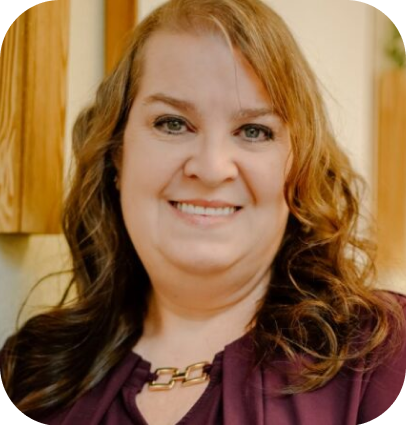
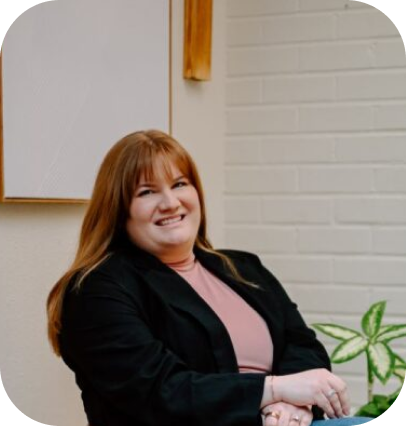
Trauma-focused care, including EMDR, is led by Candice Sa, LCSW, alongside the rest of our therapy and psychiatric team. Whoever you're matched with, you won't have to start by educating them.
Licensed Marriage and Family Therapist. A therapist trained specifically in relationships, whether that's individual work, couples, or the whole family.
LCSW
Licensed Clinical Social Worker. A therapist trained in both mental health and the practical, real-life side of things, family, community, day-to-day circumstances.
LMSW
Licensed Master Social Worker. A social worker with a master's degree, licensed and working toward the next level of clinical licensure.
LADC
Licensed Alcohol and Drug Counselor. Specializes specifically in substance use and addiction.
LCPC
Licensed Clinical Professional Counselor. Licensed to diagnose and treat mental health conditions through therapy.
APRN
Advanced Practice Registered Nurse. A nurse with additional training who can diagnose, treat, and prescribe medication.
PMHNP
Psychiatric Mental Health Nurse Practitioner. An APRN who specializes specifically in mental health, this is the credential behind medication management.
Intern
CPC-Intern
MFT-Intern
CSW-Intern
Someone still completing their supervised training hours on the way to full licensure. They're working directly under a licensed clinical director, real, qualified care, just not yet independently licensed.
That's fine, you don't need a plan or the right words walking in. Your therapist will guide the conversation, and it's okay if the first session is mostly just figuring out where to start.
Do I have to be diagnosed with PTSD to get help here?
No. Plenty of people come in with something real going on that doesn't have a clean diagnosis attached to it, or ever will. You don't need a label to justify getting support.
Do I have to share everything right away?
You control what you share and when. Trauma-focused approaches like EMDR are specifically built so you don't have to describe everything in detail for it to work.
How is this different from the VA or my EAP?
This is a private practice, completely separate from either system, with more time per appointment and no referral required first. You're not limited to whoever happens to be available somewhere else.
Can my spouse or family be involved if that would help?
Yes, if you want that. Family sessions are available alongside your own care, whether that means working through how this has affected your relationships, or just helping the people close to you understand what you're carrying.
What if I've been putting this off for years?
That's more common than you'd think, and it's not too late. Whatever's kept you from reaching out until now matters less than the fact that you're considering it today.